
"humid coffee regions"
3000 article(s) found

A brief introduction to the flavor and aroma characteristics of Guatemala Antigua Flower God Coffee with charcoal flavor
Fertile volcanic soil, low humidity, plenty of sunshine and cool nights all make Antigua unique. The three majestic volcanoes Agua, Acatenango and Fuego surround the Antigua Valley. Every once in a while, one of Fuego Guatemala's three active volcanoes adds fresh, mineral-rich ash to the soil of Antigua. Soil

The characteristics of Antigua coffee in Guatemala, the flavor and characteristics of Guatemala.
Guatemala is a big coffee producer in Central America, ranking eighth in the world in terms of output. Guatemala, whose name comes from the Mayan language, means thelandofmanytrees, the country of the forest. Located in Central America, it is known as the pearl in the crown of China and the United States. Although Guatemala has a limited land area, it has a rich and diverse climate. Countries famous for lakes and volcanoes, volcanic soil, precipitation,

The names of eight major producing areas of Guatemalan coffee and the characteristics of coffee flavor
The Ekatlago Valley is 2000 meters (6500 feet) above sea level, with dense shade and unique ecology. The nearby Fuego volcano erupts, making its coarse, sandy soil rich in a variety of minerals. Temperate sea breezes from the Pacific and a seasonal climate allow coffee in this region to be dried by sunlight and processed according to traditional family methods that have been accumulated over the years. [characteristics]

Brief introduction of coffee from eight major producing areas in Guatemala: Vera Coffee the producing area of Guatemalan Coffee
5. The Waiqiang Plateau (FraijanesPlateau): this area is of volcanic soil, with high altitude, sufficient rainfall and great humidity variation. Ash from Pacaya, Guatemala's most active volcano, provides important minerals for the soil in the region. There is plenty of sunshine in the dry season, and although the clouds and dew are heavy in the morning, they dissipate quickly. As a result, 100% of the coffee in the area is added to the sun.

Amber Coffee with fine grains and mellow taste
Amber coffee beans mainly come from the Caribbean, whether it is the Crystal Mountains in Cuba or the natural pastures in Colombia. The growth of coffee trees provides a favorable natural environment. With fertile land, humid climate and abundant Rain Water, the Caribbean can be called a natural treasure land for coffee cultivation. The coffee forest has high humidity, small temperature difference and slow ripening of coffee beans, which is beneficial to caffeine and aromatic substances.

General knowledge of Fine Coffee beans Diversified ways of handling Brazilian Coffee
Brazilian coffee farms choose sun, half-sun or water washing treatments according to the dry and humidity conditions of the climate to show the best regional flavor. Such a pluralistic approach is rare in the world. Before 1999 ⊙, rough tanning was almost always used in Brazil. This is the main culprit for Brazilian beans to be easily infected with the smell of dirt and rotten wood, because coffee fruits are exposed to the sun for two to three weeks.

Colombia coffee estate with rich flavor
Colombia, beautiful mountains and rivers, beautiful scenery, pleasant climate, four seasons such as spring, fresh air, Qinren heart. Colombia's mild climate, humid air and diverse climate make it a harvest season all year round, with different types of coffee maturing at different times. What they grow is the unique quality of Arabica coffee beans, and coffee made from these beans tastes strong.
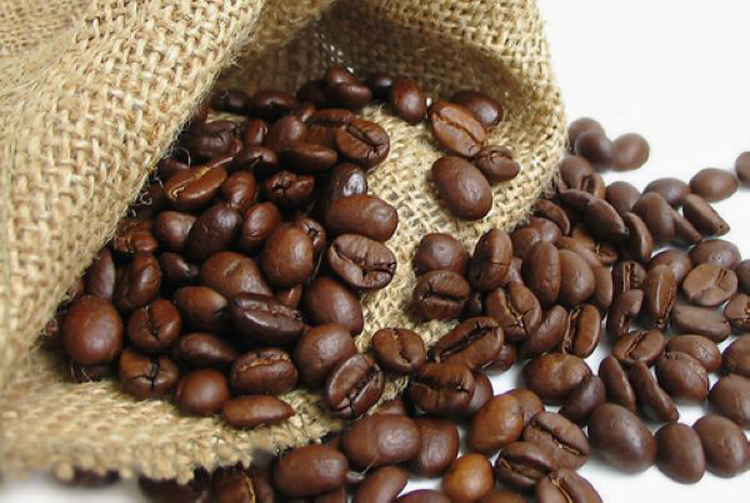
The tiny South Fruit / Guatemala / Coffee Bean / Vivetna Fruit is located in the Guatemala Micro South Fruit.
[guide] the Ekatlago Valley rises to 2000 meters (6500 feet), with dense shade and unique ecology, and the nearby Fuego volcano erupts, making its coarse, sandy soil rich in various minerals. Temperate sea breezes from the Pacific Ocean and seasonal climate have raised the Ekatangol Valley in Guatemala Guatemala to 2000 meters (6500 feet).

Coffee beans recommend "fine granules, mellow taste" of amber coffee.
Amber coffee beans mainly come from the Caribbean, whether it is the Crystal Mountains in Cuba or the natural pastures in Colombia. The growth of coffee trees provides a favorable natural environment. With fertile land, humid climate and abundant Rain Water, the Caribbean can be called a natural treasure land for coffee cultivation. The coffee forest has high humidity, small temperature difference and slow ripening of coffee beans, which is beneficial to caffeine and aromatic substances.

Colombia coffee flavor boutique coffee beans taste characteristics of the region Manor Introduction
Arabica coffee has a wide variety of flavors. Arabica coffee produced in different regions, altitudes and climates usually has its own characteristics. When unroasted, Arabica coffee smells like grass. When properly roasted, Arabica coffee shows fruity (medium light roast) and caramel sweet (deep roast) aromas. Her excellent flavor and aroma make her

Colombia Coffee Bean Flavor Taste Manor Area Quality Grinding Scale Introduction
Colombia Coffee Bean Introduction The pure taste of Colombia coffee is inseparable from the hard work of local growers, in addition to the natural environment with the most favorable conditions for coffee growth. In Colombia, coffee is cultivated on 1.07 million hectares, there are about 302,000 coffee plantations in the country, and 30 to 40 per cent of the rural population depends directly on coffee production. Colombia

Growing environment in the Andes, a coffee-growing region in Colombia
The suitable climate in Colombia provides a real natural pasture for coffee. Coffee trees in Colombia are mainly cultivated in the Andes, on steep slopes about 1300 meters above sea level, where the annual temperature is about 18 degrees Celsius, annual rainfall is 2000 to 3000 millimeters, latitude 1-11 15 north, longitude 72-78 west, and the specific range of elevation can exceed 2.000 meters. By

Guatemala Latissa Estate Coffee Type Estate Introduction
Coffee was introduced to Guatemala in 1750 by Father Jesuit, and German colonists developed the coffee industry in the late 19th century. Today, most of the coffee industry is produced in the south of the country. Guatemala has seven major coffee-producing regions: Antigua, Coban, Lake Atitlan and Huehuete

Colombia fine coffee beans with rich aroma Cauca region introduction
Colombia's favourable climate provides a truly natural pasture for coffee. Coffee trees in Colombia are mainly cultivated in the Andes mountains, on steep slopes up to 1,300 meters above sea level, where the annual temperature is about 18 degrees Celsius, the annual rainfall is 2000 to 3000 mm, the latitude is 1 - 11 15, the longitude is 72 - 78, and the specific altitude range can exceed 2.000 meters. by

Introduction to the flavor and taste of Lanshan Coffee Manor, which tastes very clean.
Blue Mountain belongs to the mid-subtropical monsoon humid climate region, with sufficient light, abundant rainfall and long frost-free period, with an annual average temperature of 17.8 ℃. The complex geology and geomorphology, fertile soil and warm and humid climate endow the blue mountains with beautiful scenery and rich natural resources. Blue Mountain is located at the eastern foot of Jiuyi Mountain, and its topography inclines from southwest to northeast. The mountains, hills, hills and flat areas are interlaced with each other.

Characteristics of Coffee from Eight Major Producing Areas in Guatemala
Elevated to 2000 meters (6500 feet), it is densely shaded and ecologically unique, with the nearby Fuego volcano erupting intermittently, making its coarse, sandy soil rich in minerals. Temperate sea breezes from the Pacific Ocean and seasonal climates allow this region's coffee to be sun-dried and processed by home-style traditional methods accumulated over the years. [Features] Acidity is obvious, dry

Introduction to the Cup Review of Antigua Coffee
Following Cafe Review (official Wechat account vdailycom) found that Antigua Coffee has opened a small shop in Beautiful Cafe: aroma 7.8; flavor 7.85; acidity 7.95; balance 7.63; overall 7.78; mellow 7.85; finish 7.60 delicate and balanced, with rich aroma and excellent sweetness. Antigua Valley (Antigua Valley) has the longest history in Guatemala.

Characteristics of Antigua Coffee beans in Guatemala Coffee Manor
The three majestic volcanoes Agua, Acatenango and Fuego surround the Antigua Valley. Every once in a while, one of Fuego Guatemala's three active volcanoes adds fresh, mineral-rich ash to the soil of Antigua. The volcanic pumice in the soil can keep the soil moist, thus greatly making up for the lack of precipitation in Antigua. Antigua is Guatemala.
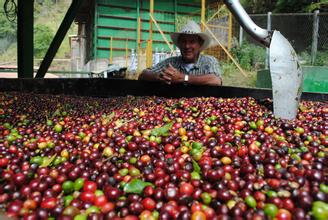
Guatemala National Guatemala production area Guatemala time Guatemala Coffee New Oriental region
[guide] the Ekatlago Valley rises to 2000 meters (6500 feet), with dense shade and unique ecology, and the nearby Fuego volcano erupts, making its coarse, sandy soil rich in various minerals. Temperate sea breezes from the Pacific Ocean and seasonal climate have raised the Ekatangol Valley in Guatemala Guatemala to 2000 meters (6500 feet).

Guatemala Antigua Coffee Bean Flavor Taste Manor Introduction Guatemala Coffee Features
Like Guatemala's fine coffee, Antigua coffee is grown in shade. In Antigua, shade is mainly used to protect coffee trees from frost, which sometimes occurs during the colder nights from December to February. The dense shade combined with the shallow aquifer creates a unique microclimate for the coffee trees that inhabit it. an